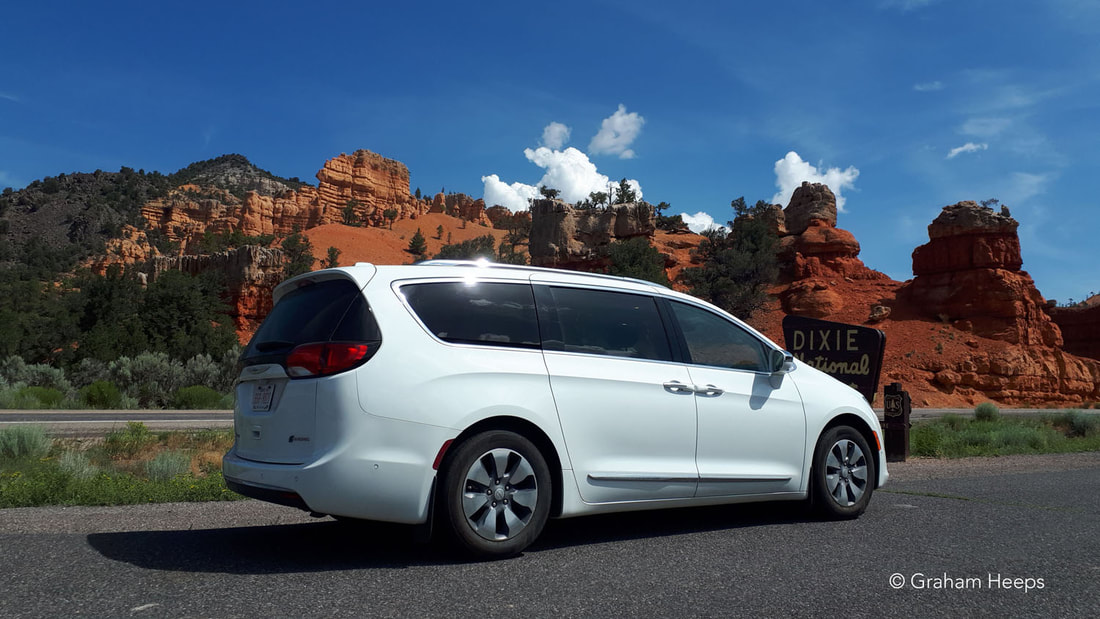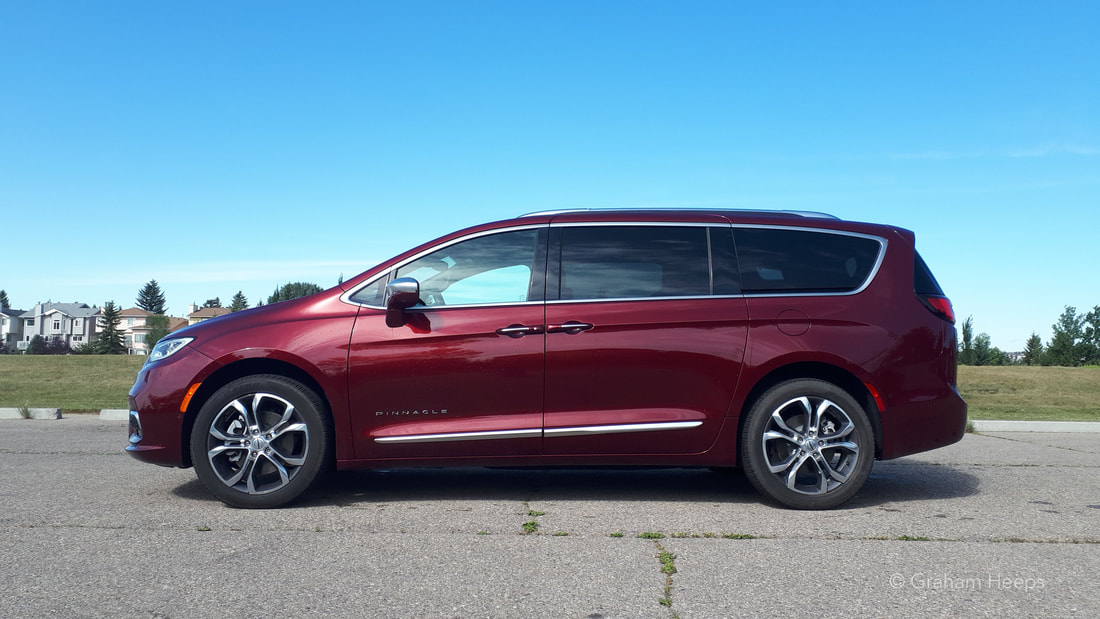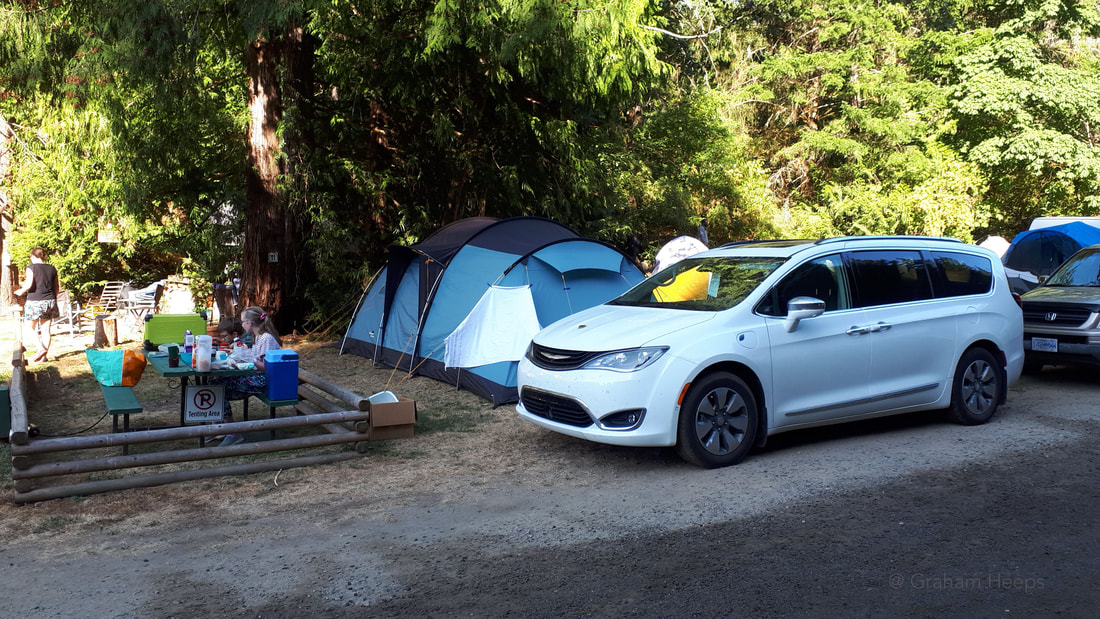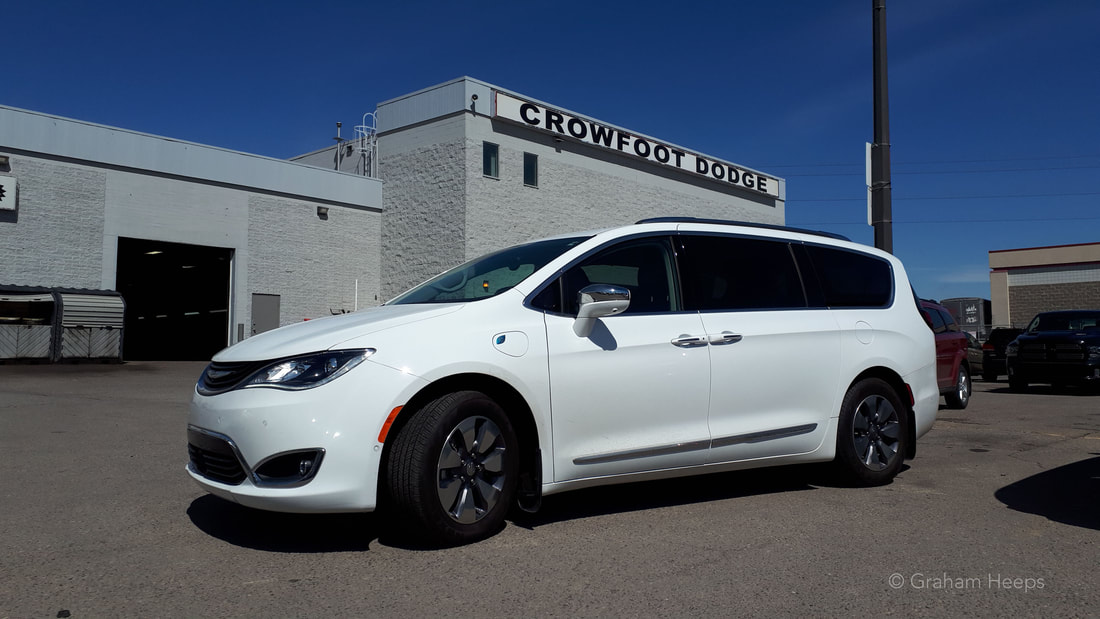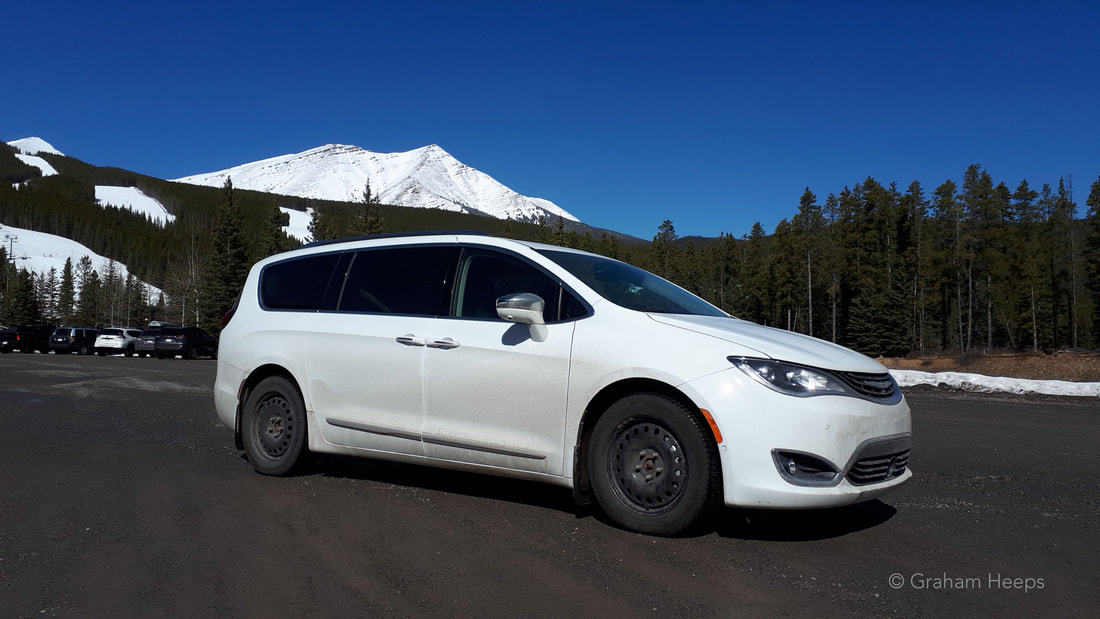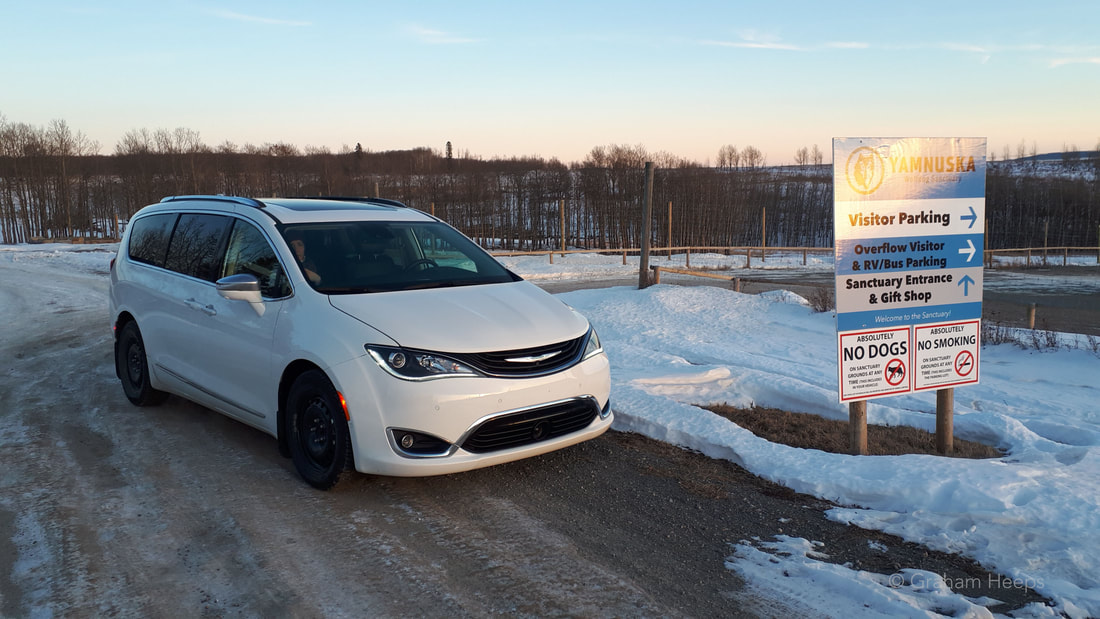
Our 2018 Pacifica Hybrid after some light off-roading at Scout camp
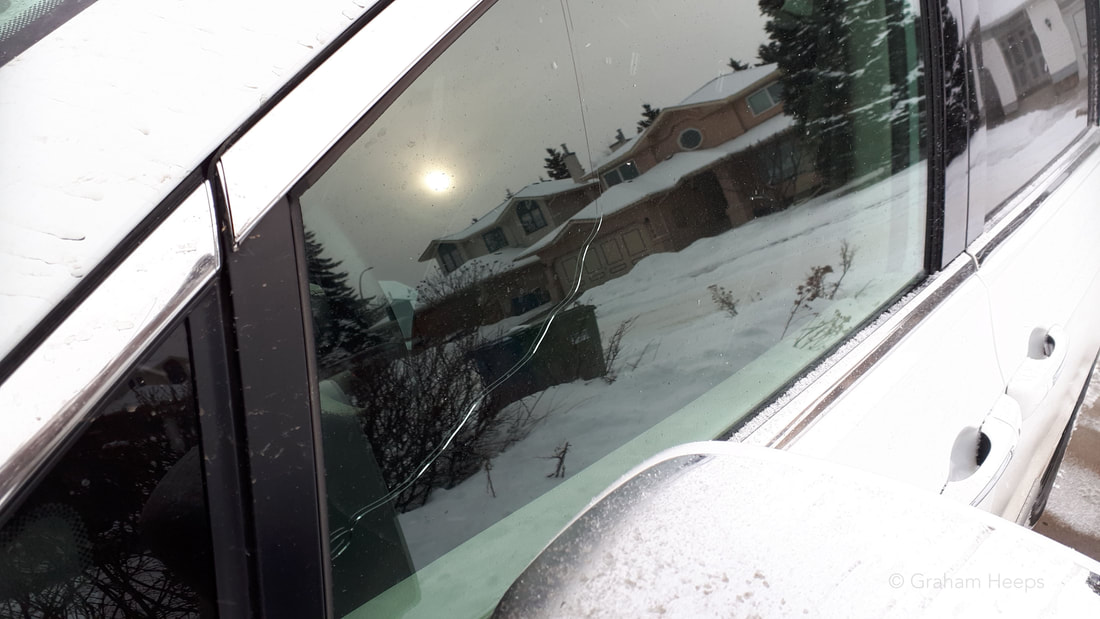
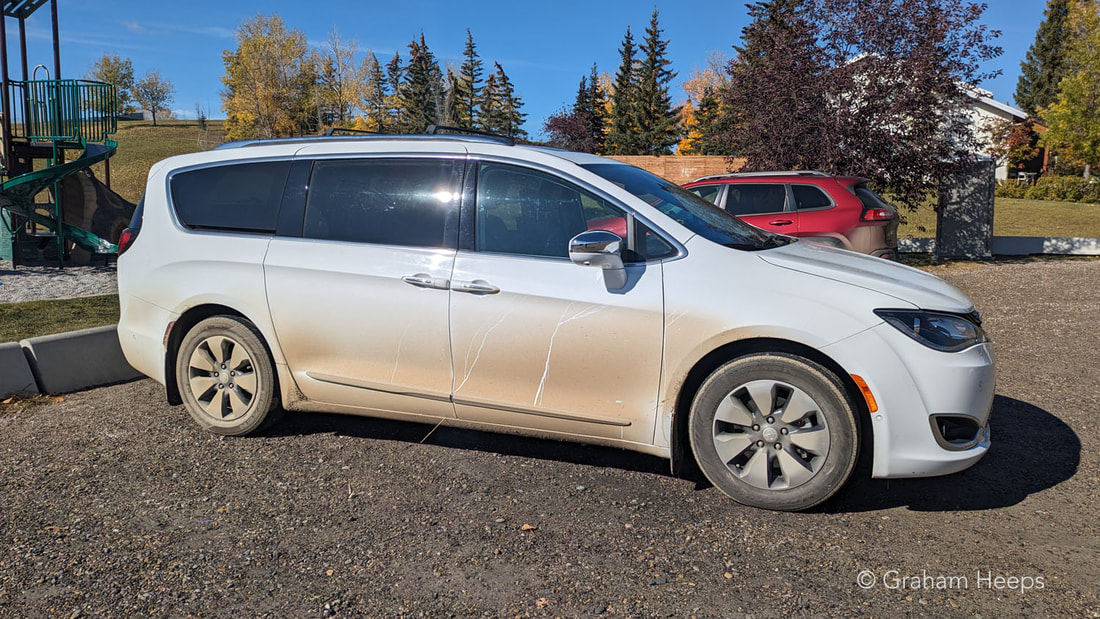
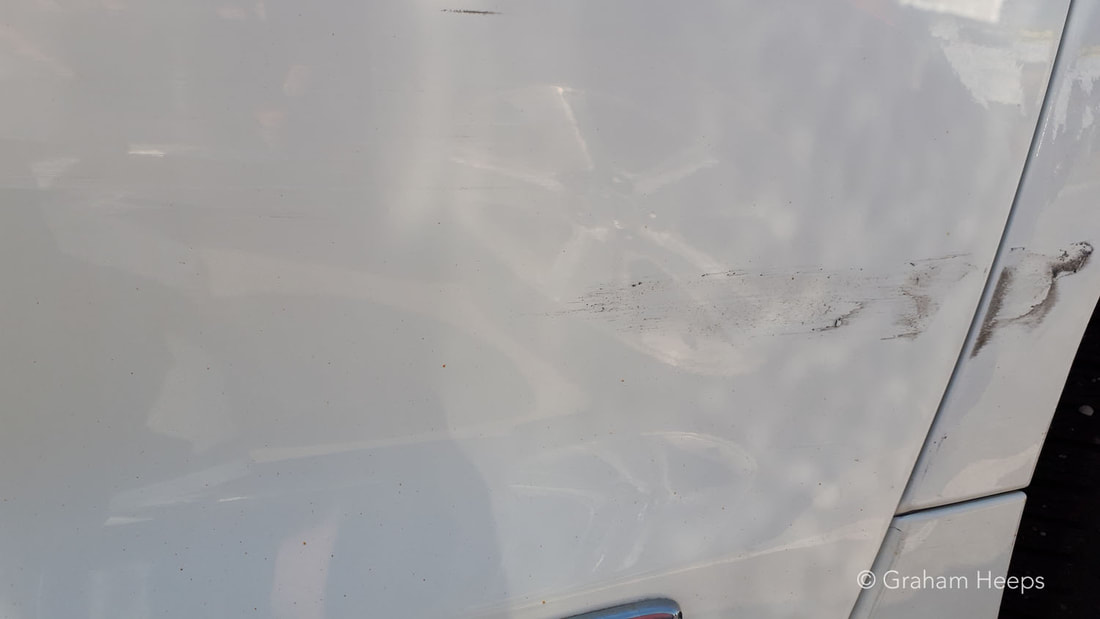
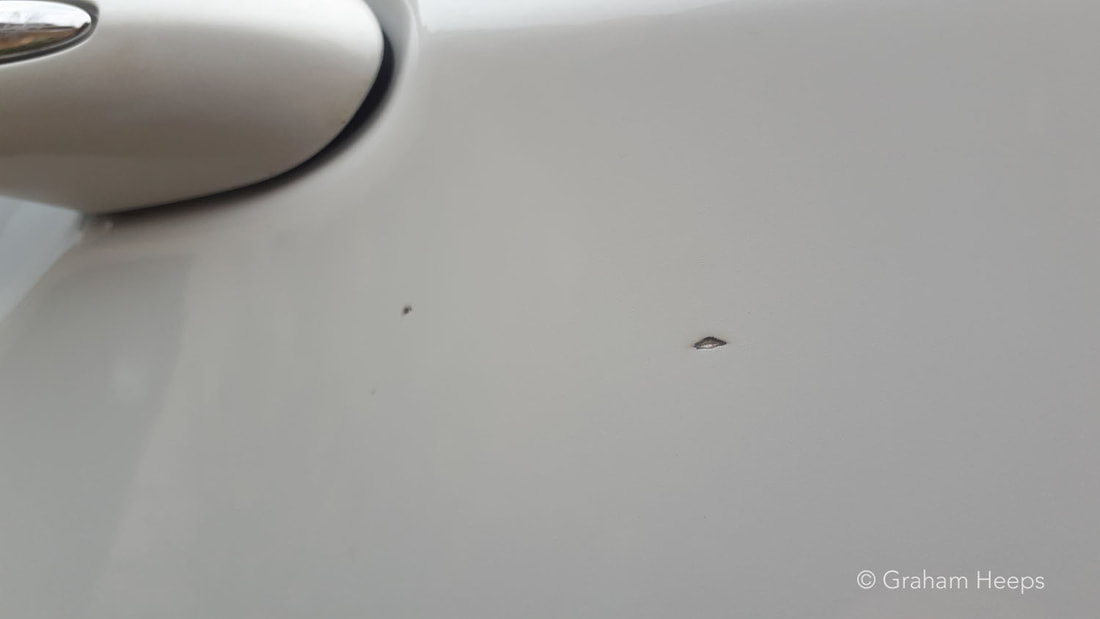
Time for a long-overdue update on Baymax. It’s been an eventful 2023. In the spring he was swiped by another vehicle in a parking lot, necessitating a debut trip to the bodyshop for work on the rear offside door and wheel arch (below left). Suffice to say, my opinion of the autobody repair industry didn’t go up. Everything took an inordinate amount of time and the Pacifica returned with a new scratch (clear-coated over, below right) that wasn’t there when we started. We couldn’t bring ourselves to be without the car for another week or two to get that fixed as well so for now it remains as a permanent battle scar.
 |  |
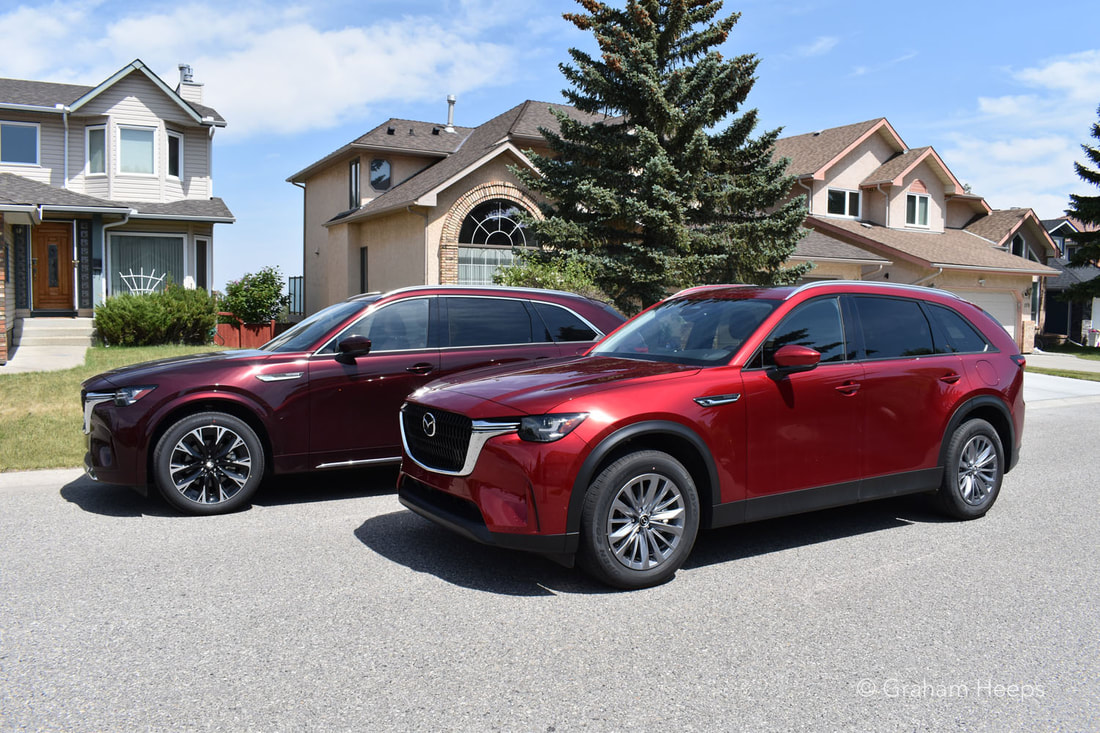
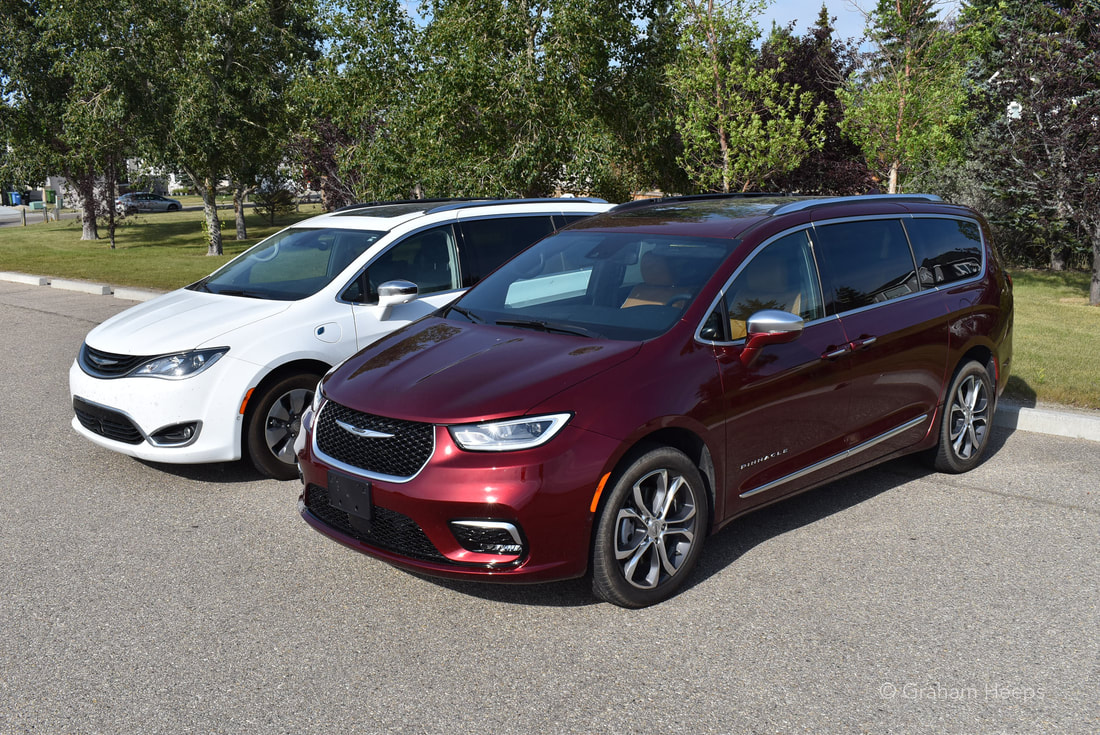
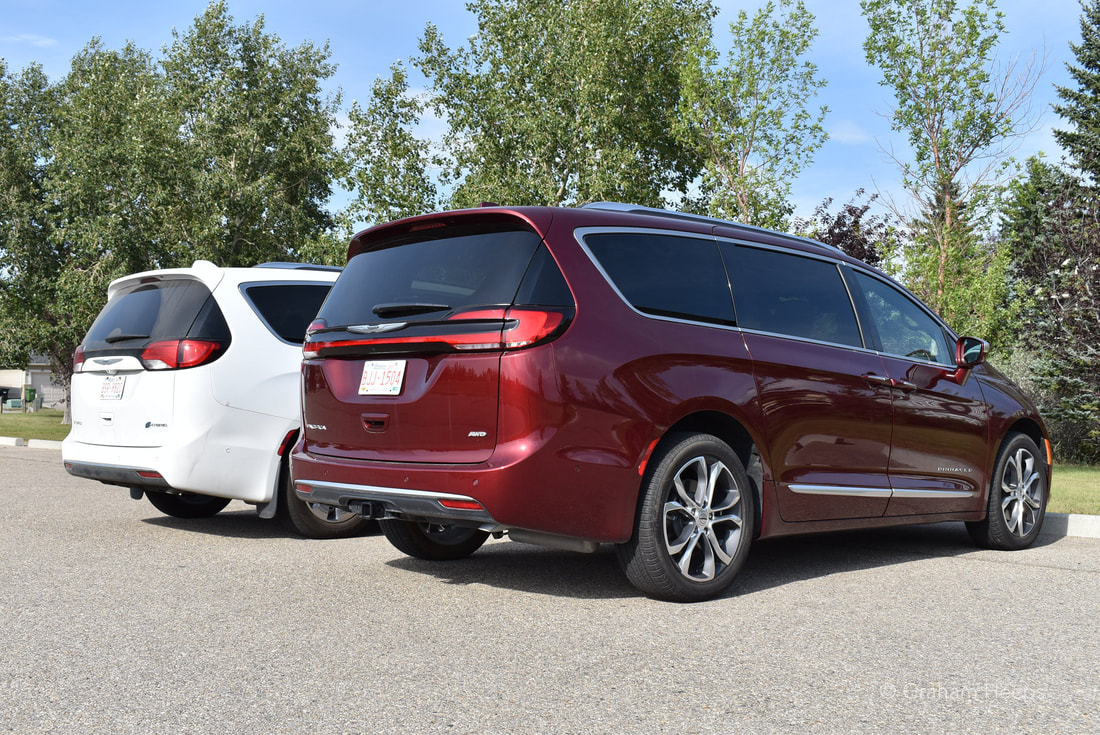
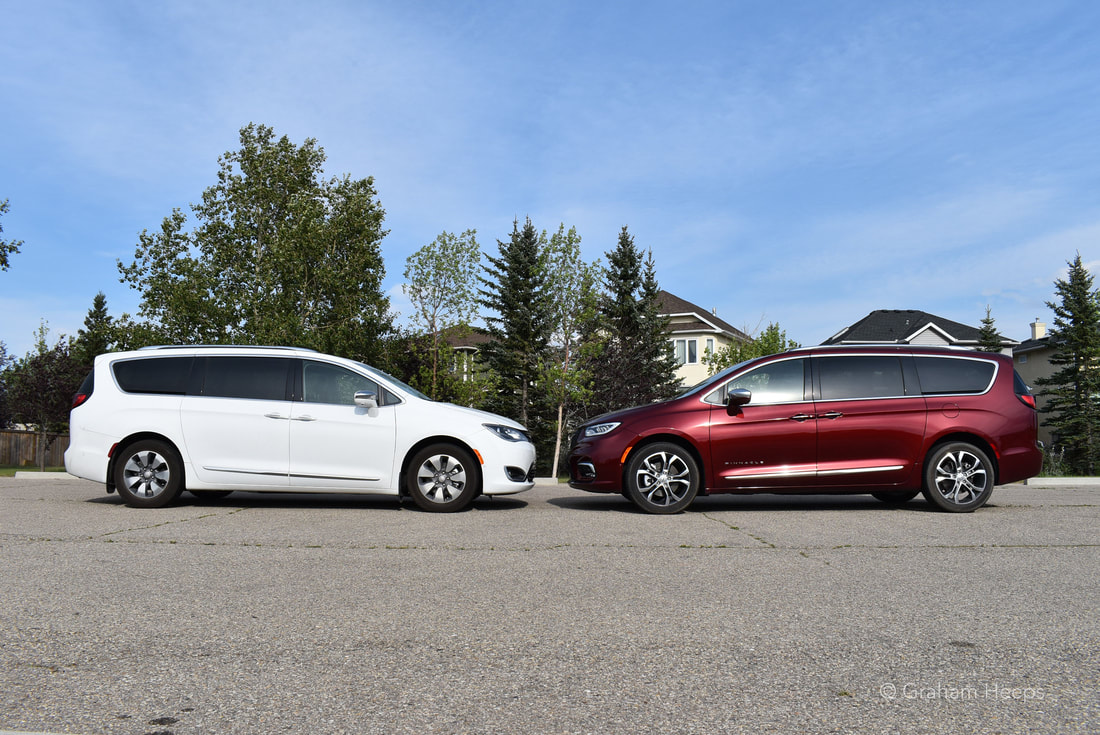
2024 Mazda CX-90 GS-L PHEV (front) and Signature Inline-6 (rear)
In June, I was able to spend a few days in a new plug-in hybrid, the Mazda CX-90. It’s great to see another PHEV on the market, especially a three-row SUV. The CX-90 has a classy cabin and is good to drive for such a big car, with better powertrain refinement than the Pacifica. But at 42km (26 miles – claimed but not achieved) I thought the Mazda’s electric driving range was disappointingly small and the configuration of the drivetrain – which incorporates a traditional shifting automatic transmission – takes away the seamless feeling you get when the Pacifica Hybrid or a pure BEV accelerates.
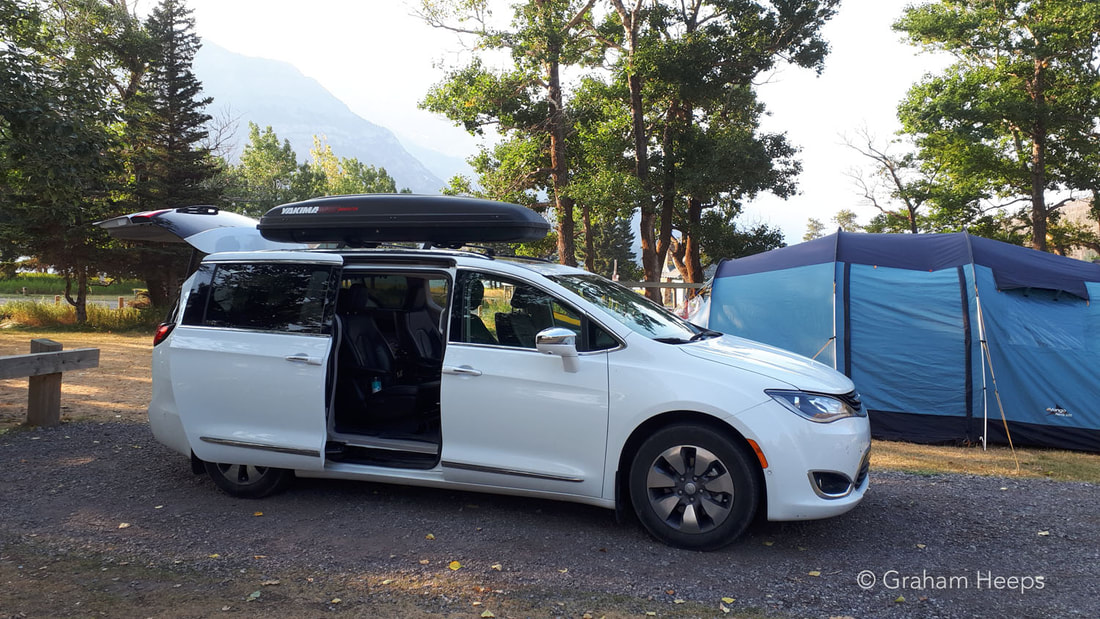
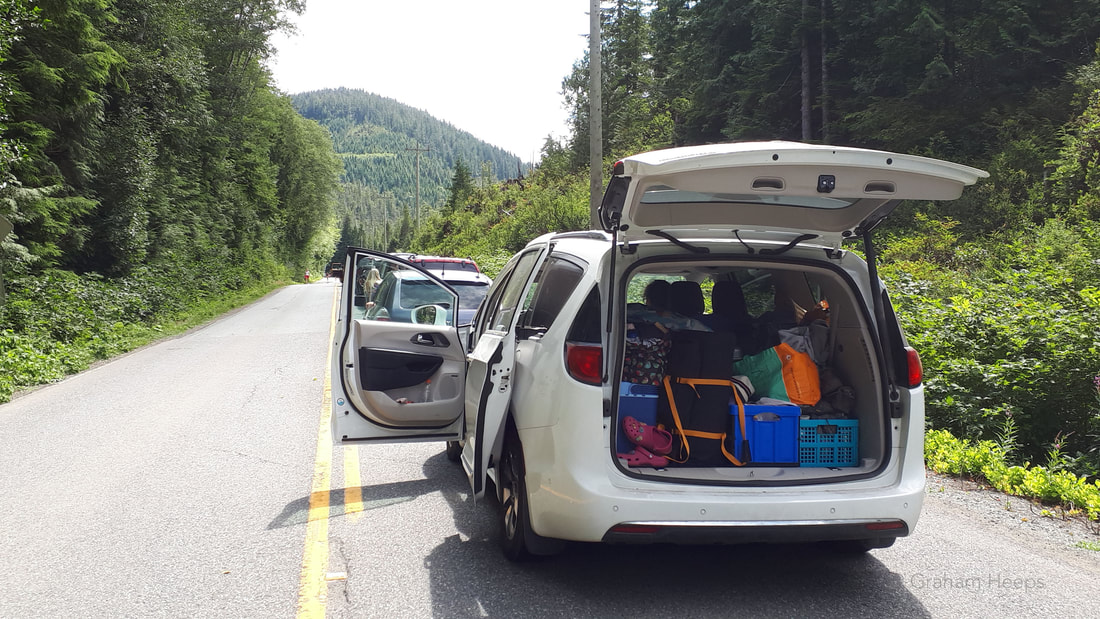
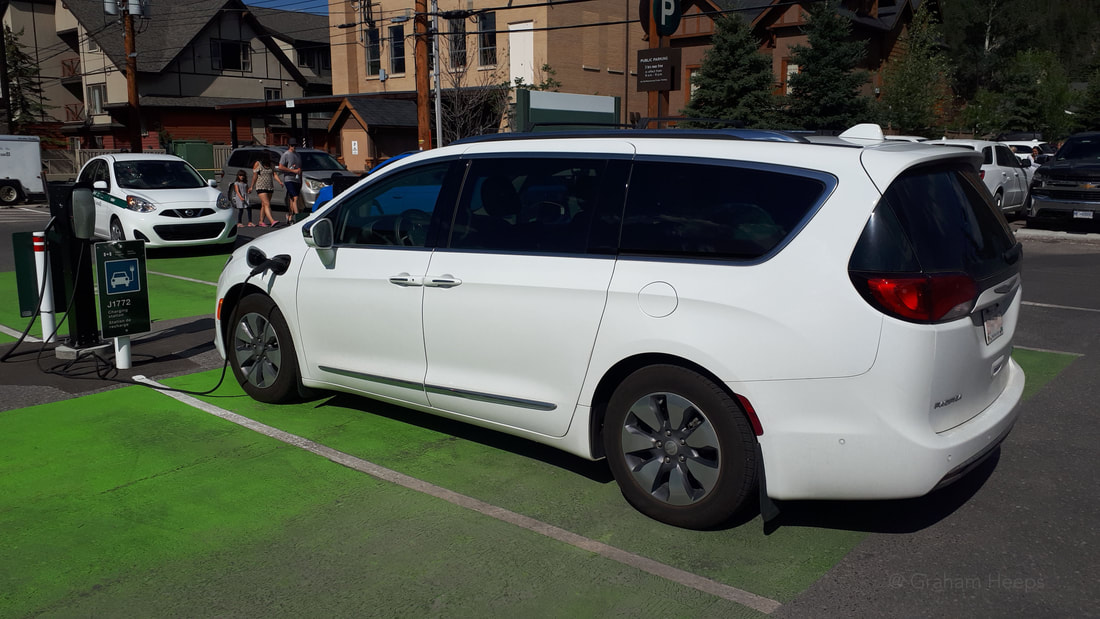
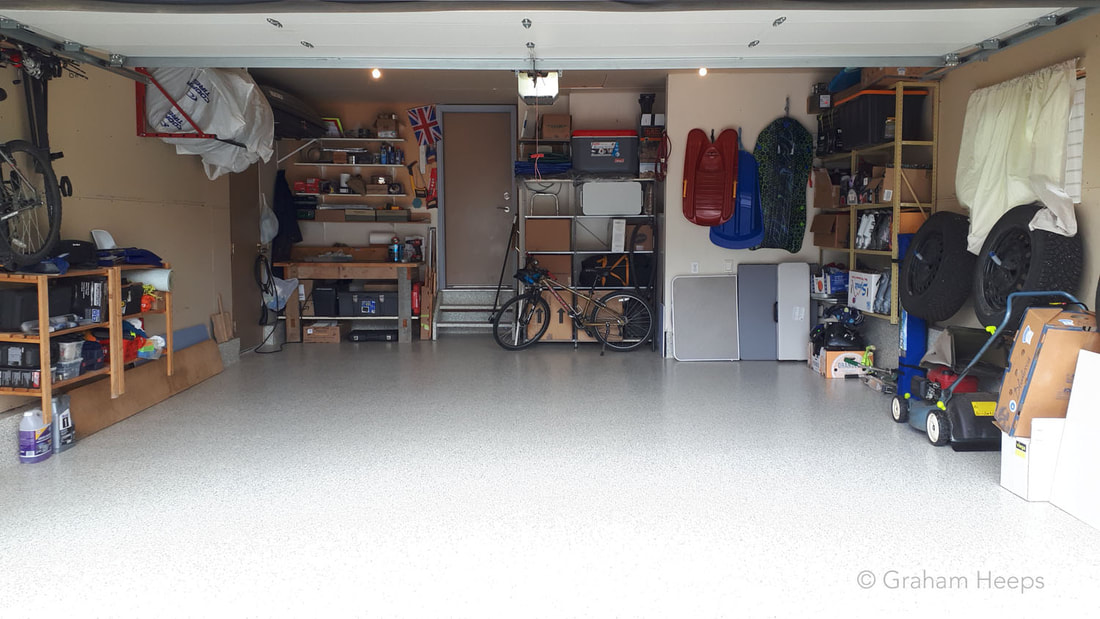
Our main summer vacation involved flying not driving, so the PacHy didn’t rack up as many kilometres as in some years. We did however drive down to beautiful Waterton Lakes National Park for our annual camping trip and were glad to again charge the battery overnight at the site. An extra passenger this time meant we had to break out the Yakima roof box to accommodate more gear than normal, reminding me just how much I love those Stow ’n Place roof bars. We had recently had the garage floor resin-coated just beforehand, so the car returned to a shiny new home!
In August came a fix for the 03A Loss of Motive Power recall, which as you doubtless know by now involved software updates to the power inverter, instrument cluster and powertrain control module. If you’ve yet to have this done, allow for at least a full day. After our vehicle was initially booked in for one day, work on the car didn’t start until the afternoon, leaving insufficient time to complete the software update before close of business. We needed the car back that night so everything was rolled back to the initial state and Baymax returned to Crowfoot Dodge a few weeks later to have the new software uploaded. We’ve had no side effects since, so that appears to have been taken care of.
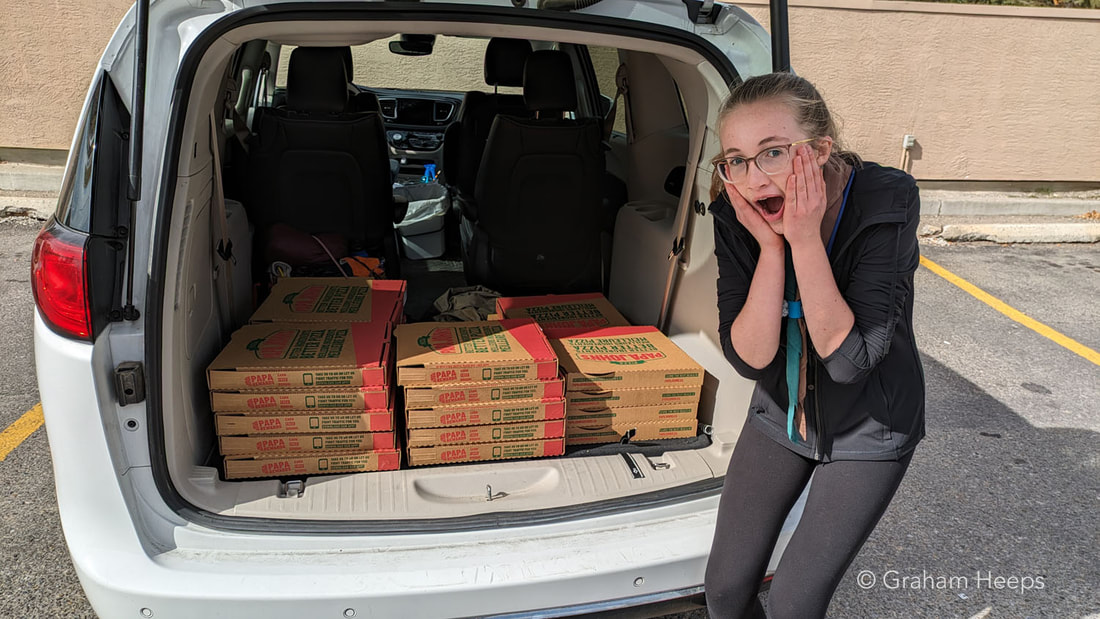
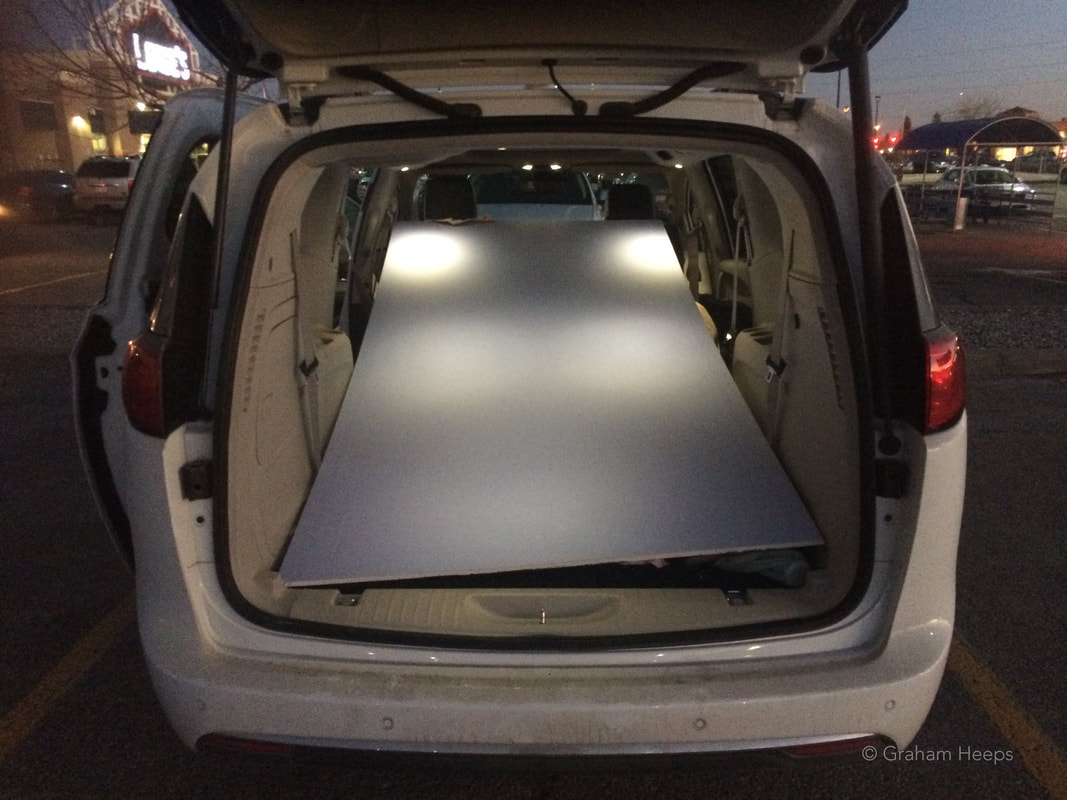
Pizzas for an entire Scout Troop? We have a PHEV for that...
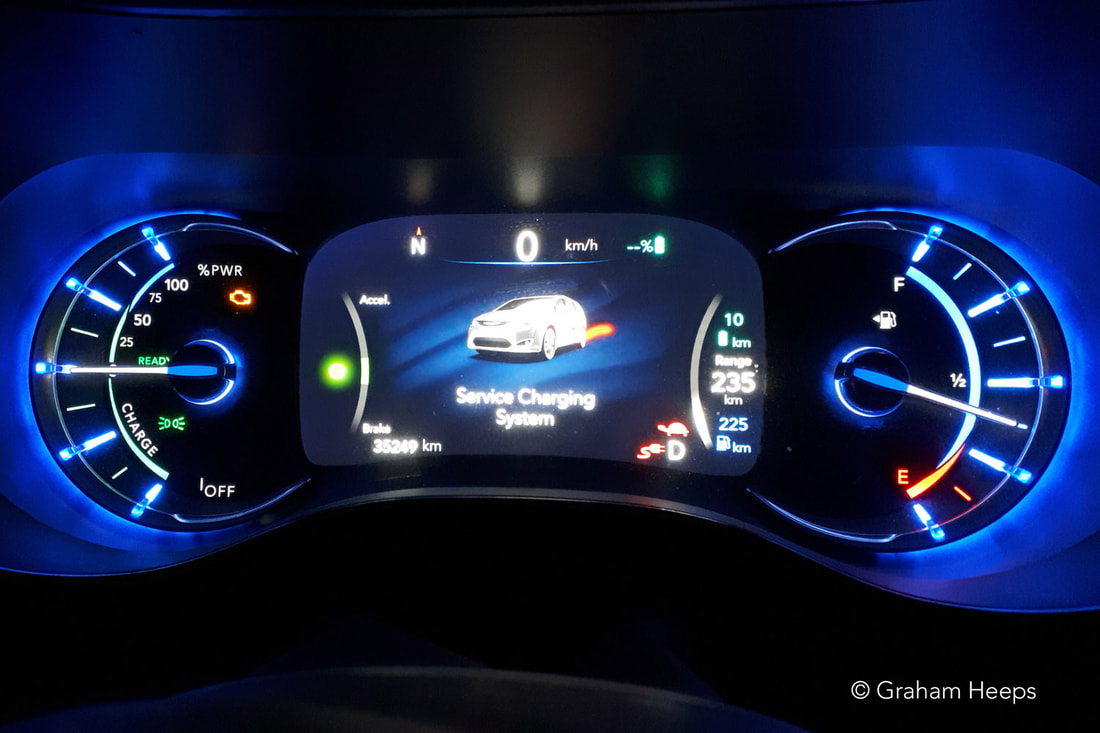
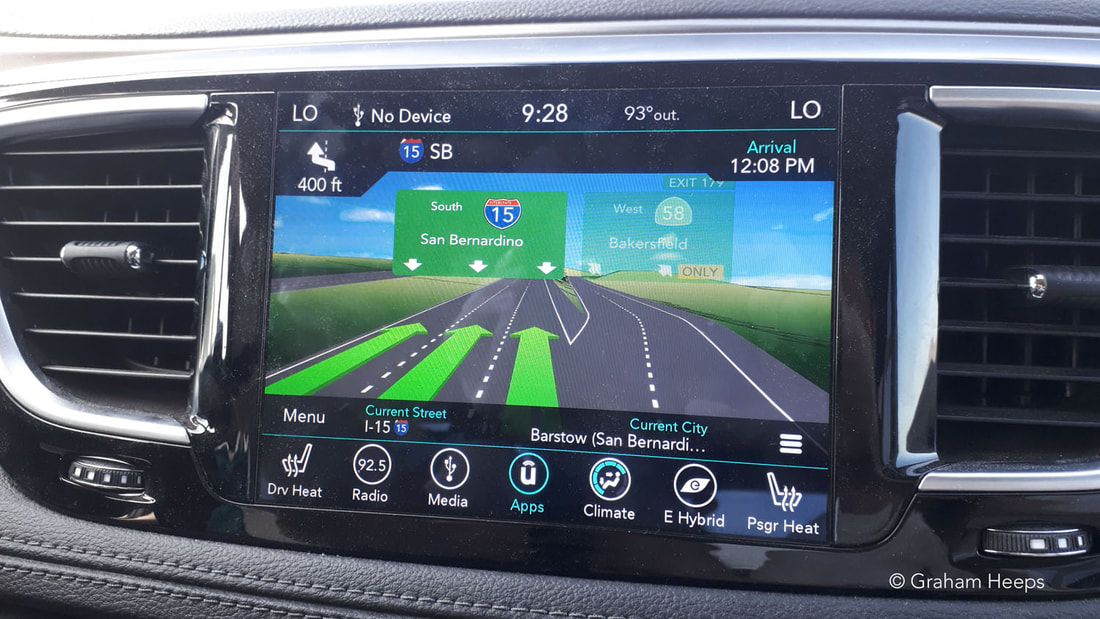
After averaging 5.3L/100km for the summer months, comprising 4,000km on electric and 1,600km of gas running, the winter tires went on as normal come October, on the same day that we had an oil change and brake service performed. It was around this time that we first noticed a couple of new issues with the car. One is that the tailgate-closing warning chime now wails like an alley cat. Definitely going to need a new part! The other is that our GPS unit has permanently lost our true position. Apparently, we’re now living in Vulcan County, about an hour south of Calgary. A quick look at the forums suggests we’re far from alone in this issue. Whether the solution proves to be a reset, a new chip or a whole new Uconnect head unit, remains to be seen.
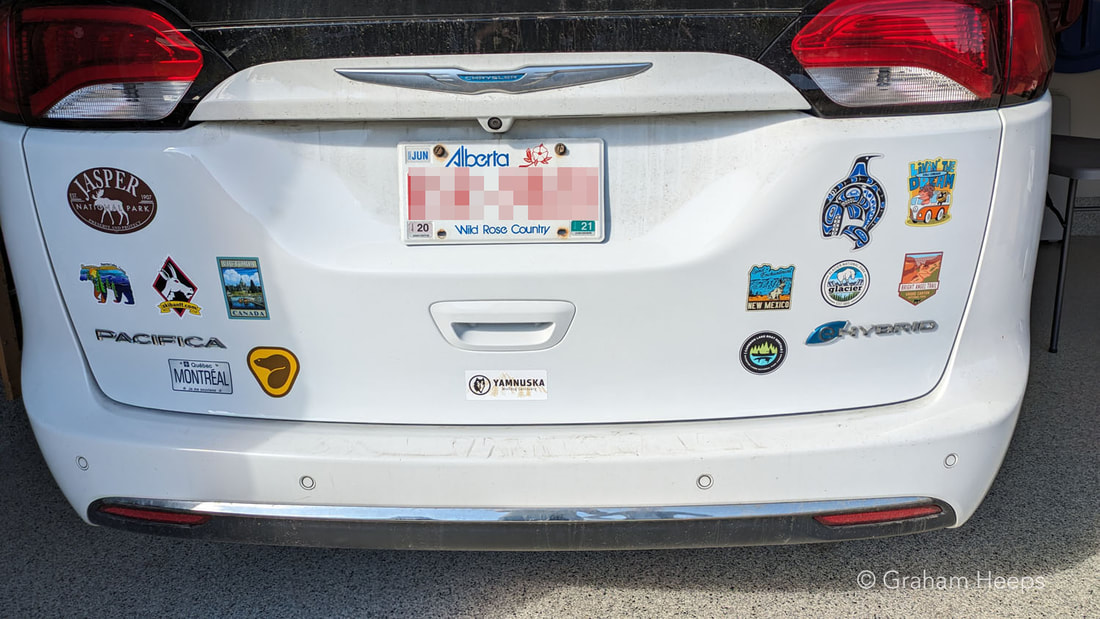
Finally, we performed some cosmetic surgery on Baymax during the summer, adding a bunch of extra stickers to the tailgate in honour of places we have visited as a family. I know some owners prefer an uncluttered look but, just like our tacky fridge magnets, I think the stickers somehow make the Pacifica more ‘ours’!
Thanks for reading and Happy Holidays!
Thanks for reading and Happy Holidays!